Artificial Intelligence/Creativity
Presumably the Biggest Cognitive Evolution of Homo Sapiens.
Artificial Intelligence/Creativity is going to Change Us Culturally and Mentally
Why Generative AI is a Huge Time Saver in Computer Graphics
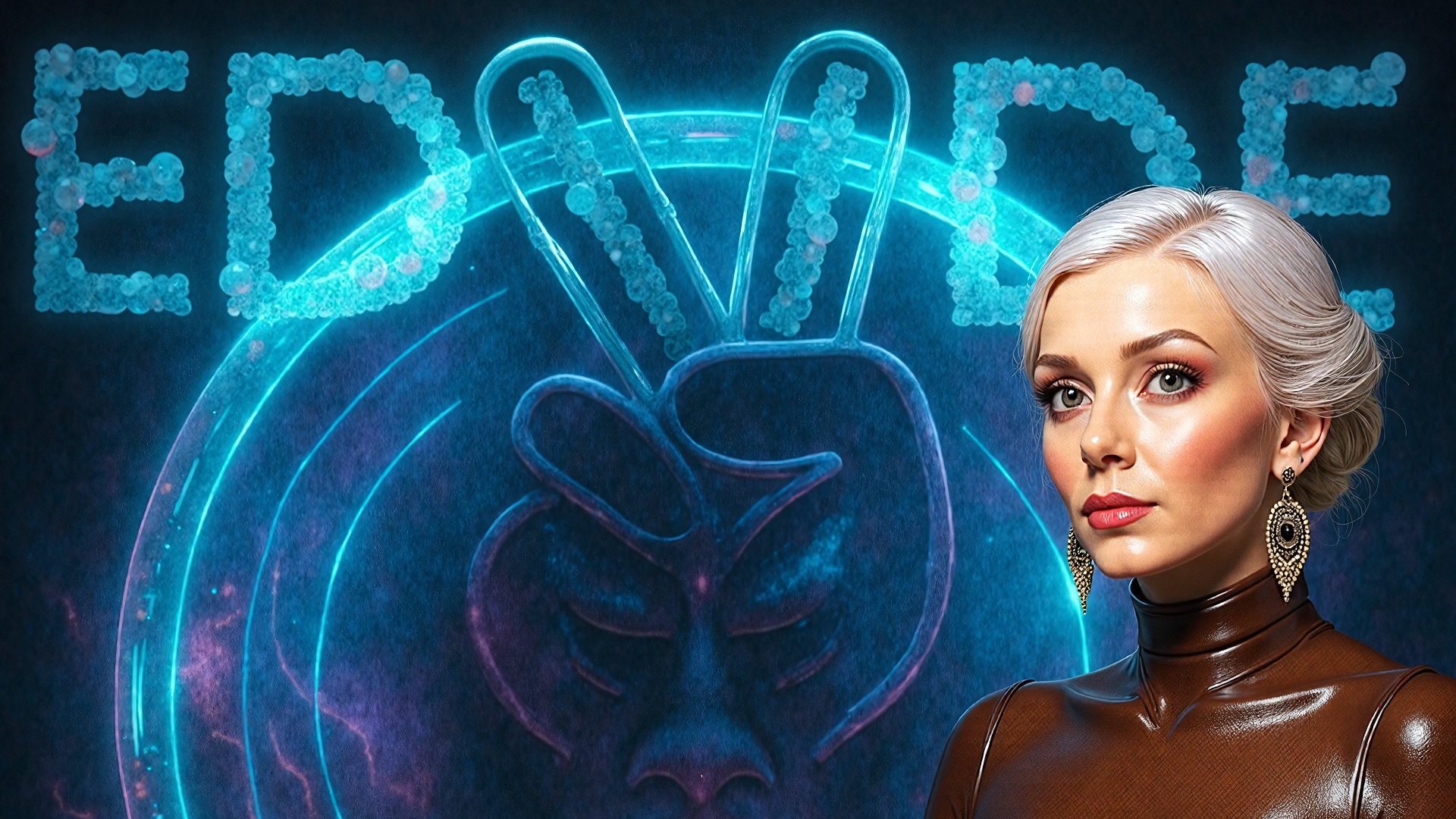
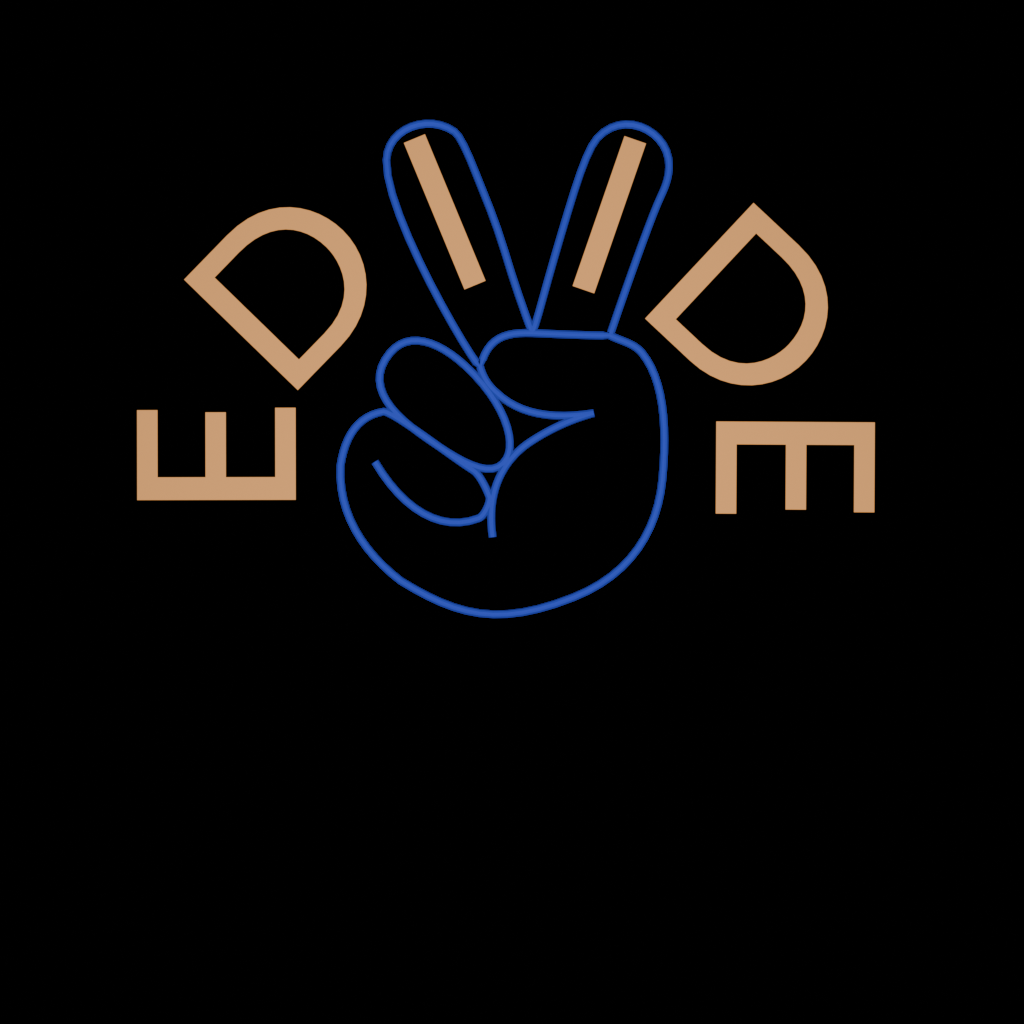
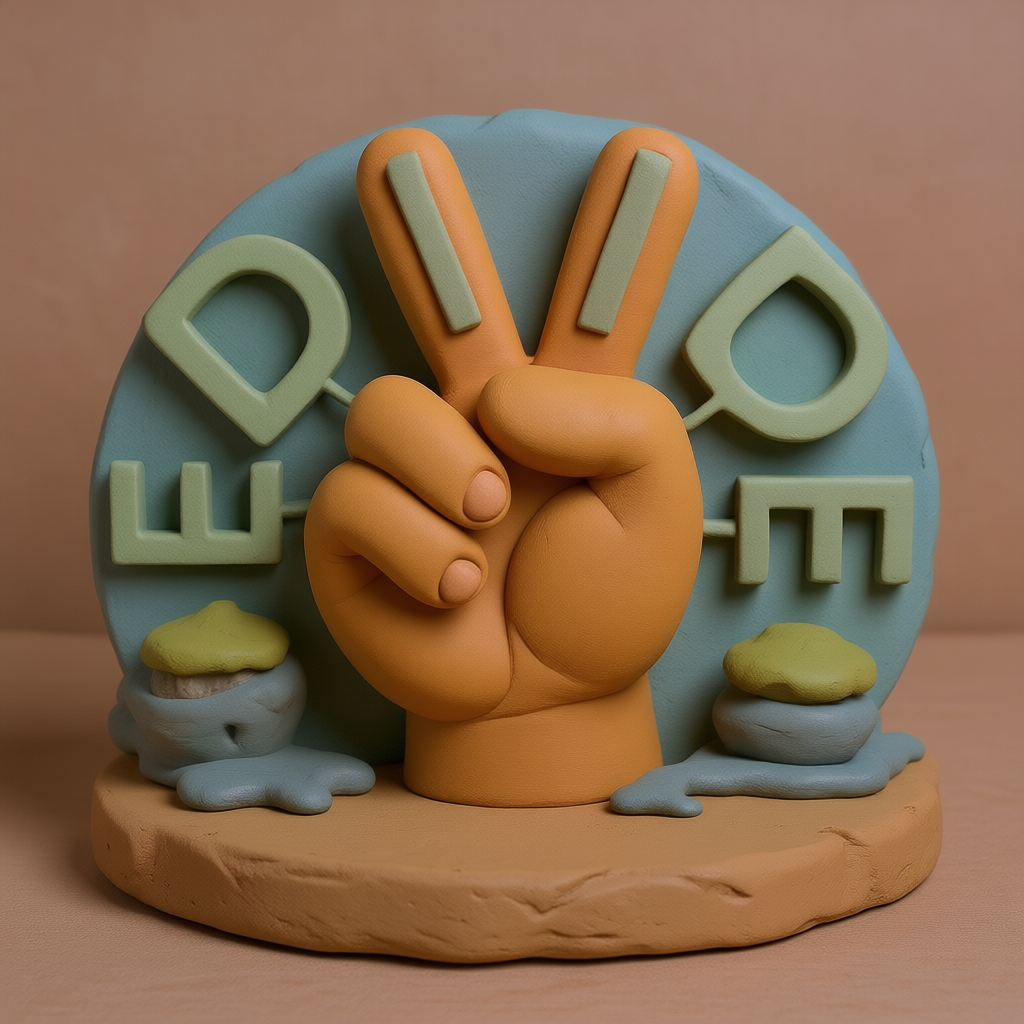
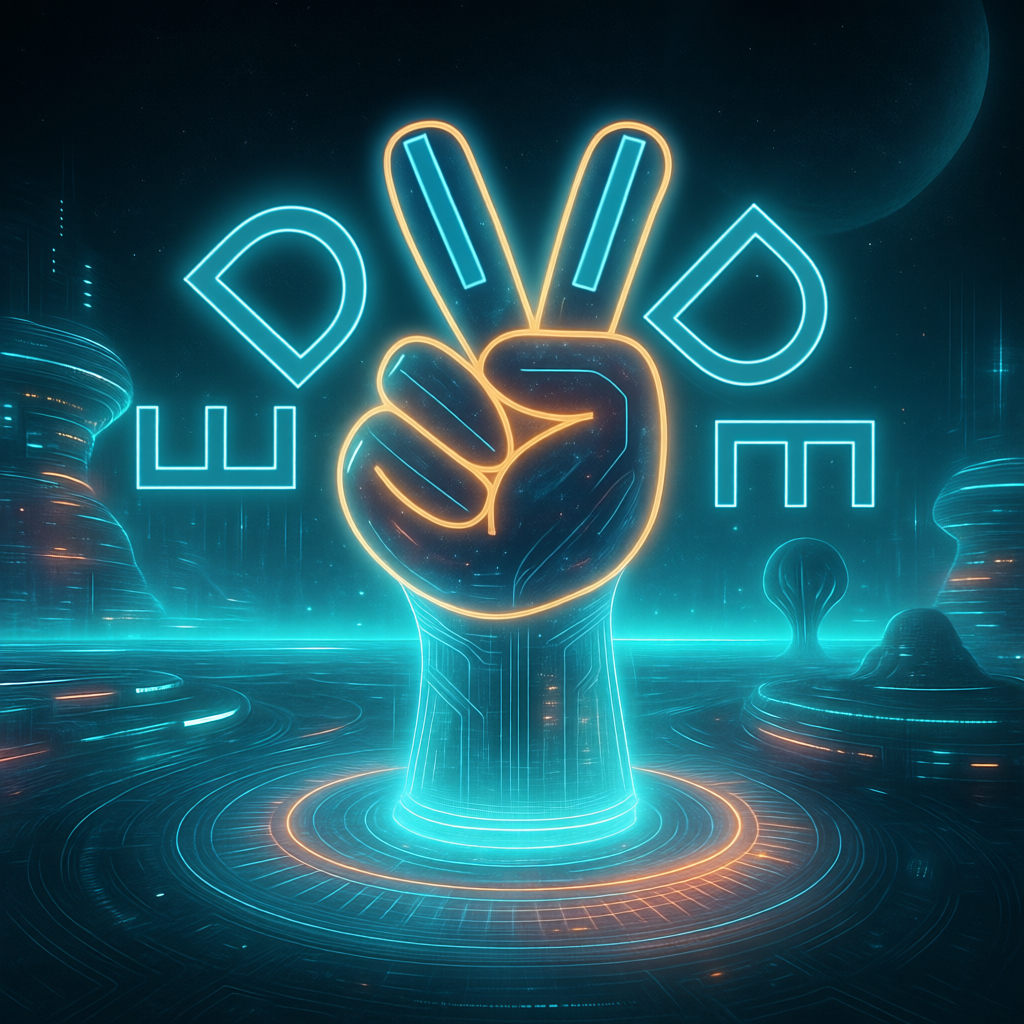
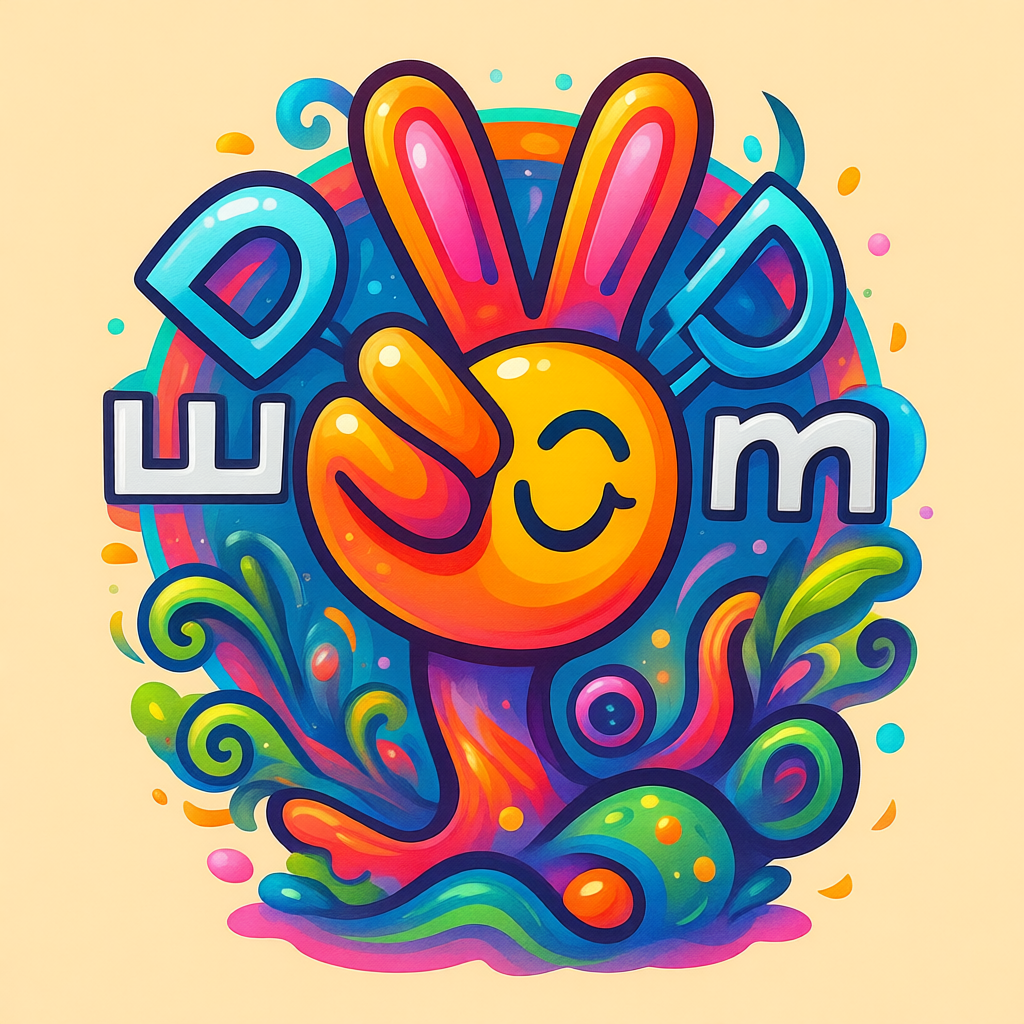
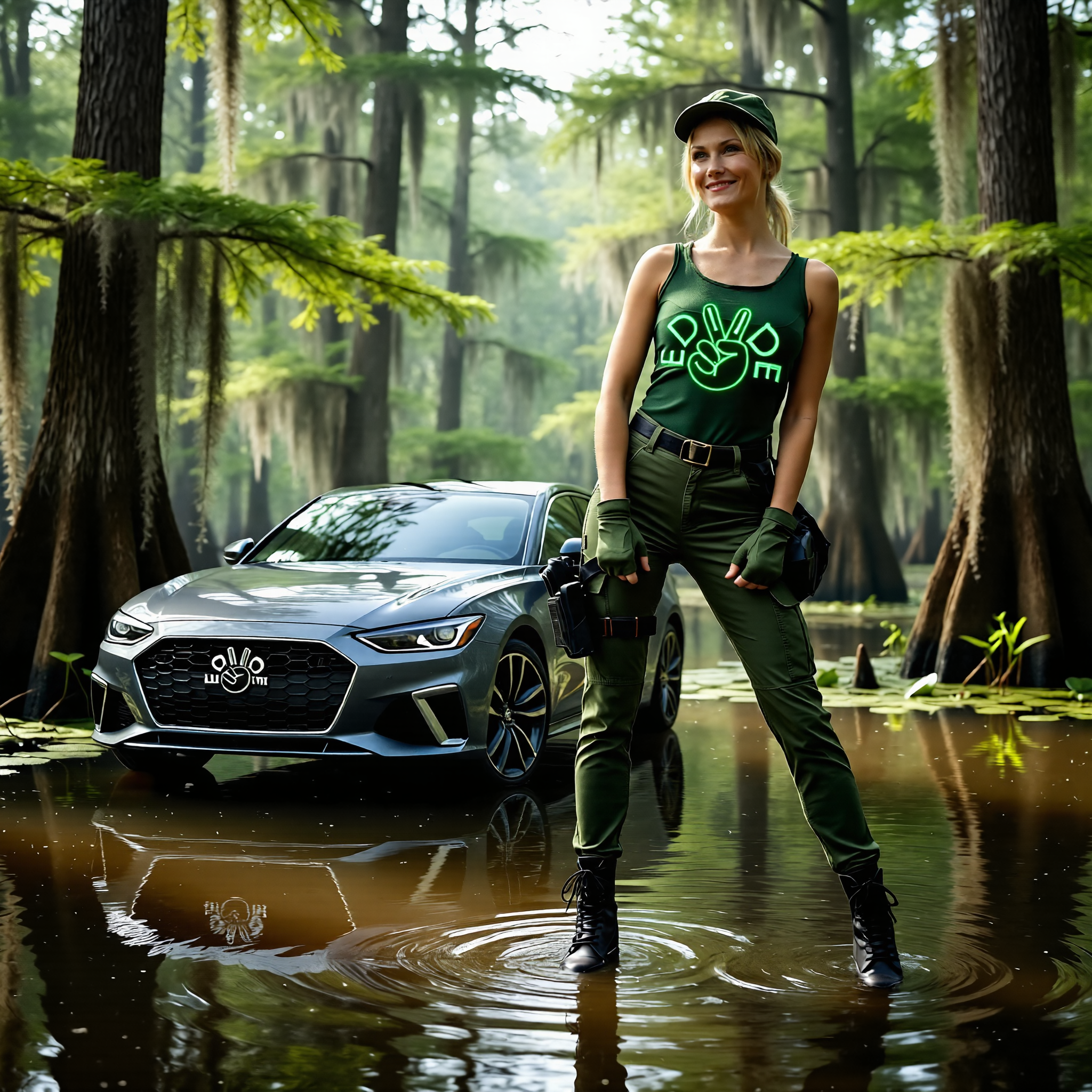
In the fast-paced world of computer graphics, time is one of our most valuable resources. Generative AI tools, powered by advanced machine learning models, are transforming workflows by automating routine and labor-intensive tasks that once consumed hours or even days. For instance, a simple logo can be transformed into a very detailed rendering in a far shorter amount of time than by any other means. This efficiency frees up creators to focus on refining their vision, collaborating with teams, and tackling complex creative challenges. While it’s not controllable and precise, it has it’s unique use cases in visual appeal and as an inspiration for creating precise 2D or 3D objects. So while it’s not a replacement for human expertise, generative AI acts as a reliable assistant, streamlining processes and helping professionals deliver high-quality work faster—ultimately boosting productivity without sacrificing quality.



Why Professionals Using Tools Like ComfyUI and Python Remain Essential in Generative AI Workflows
While accessible tools like ChatGPT allow anyone to experiment with generative AI for basic image creation, the real value in computer graphics comes from professionals who leverage specialized software such as ComfyUI, Python scripting, and other advanced frameworks. These tools make us able fine-tune models, automate complex iterations, and integrate AI into professional pipelines—enabling rapid prototyping and customization that far exceeds what a simple chat interface can deliver. For clients, this means receiving a wider array of high-quality options, refined to precise specifications, without the trial-and-error frustrations of DIY approaches. In essence, professionals don’t just use AI; they master it to deliver efficient, tailored results that elevate projects beyond the capabilities of off-the-shelf tools.
Video and speech
One of the most controllable ways to create AI video is writing a script yourself, or in cooperation with a LLM (Large Language Model), then convert it to speech via t2s (text to speech) and finally have an AI avatar/character animate the speech with almost perfect lip sync. The avatar can be almost anything and by using one that doesn’t try to look like it’s actually a real human being, you can avoid being perceived as trying to be deceptive in you communication.